Website: Sanwood
Language:
English

CSSD/ESSD Temperature Test Chamber

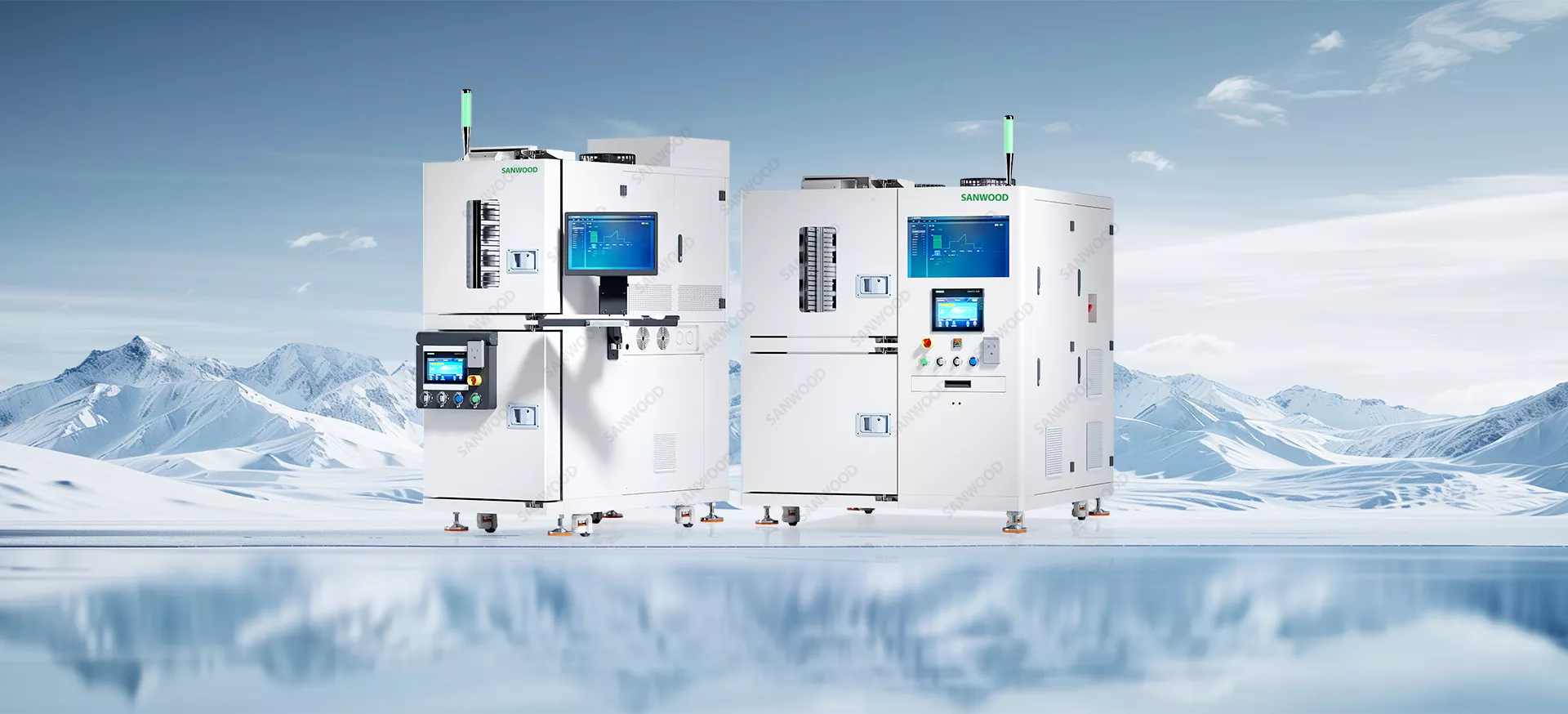
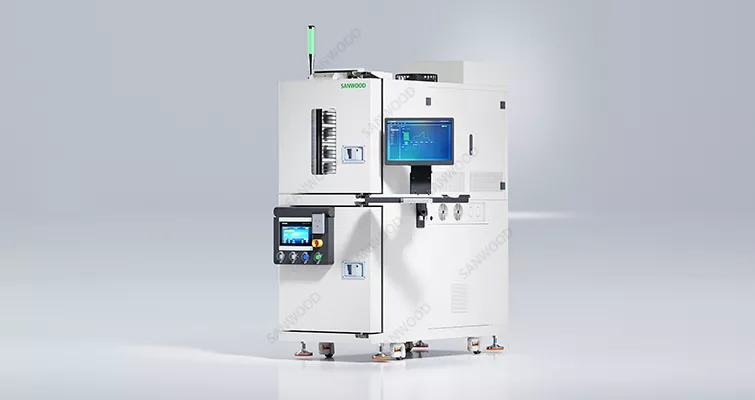
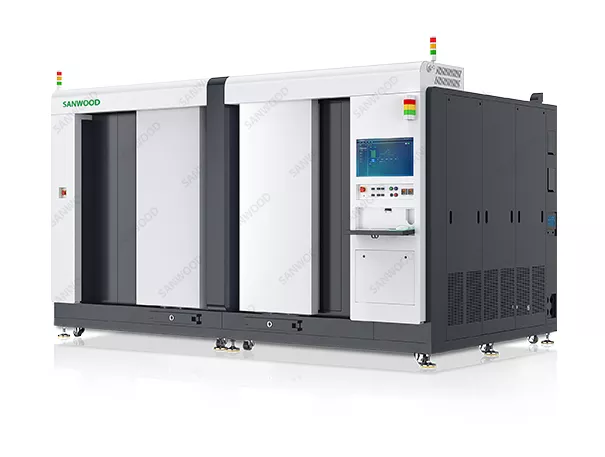
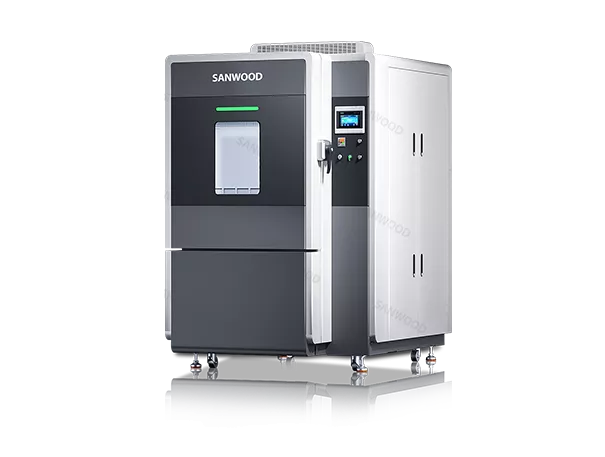
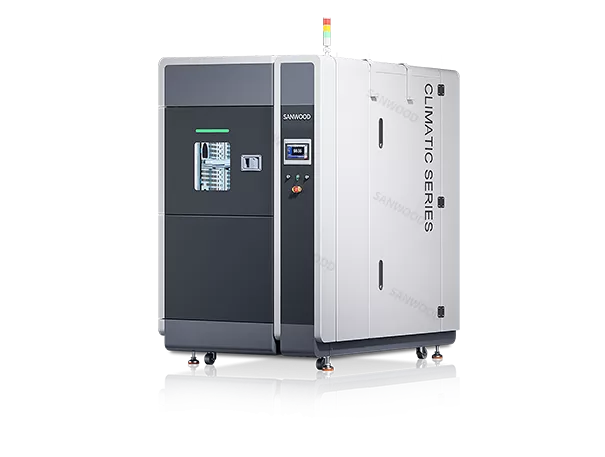
CSSD/ESSD Temperature Test Chamber are essential equipment for testing the reliability of solid-state drives (SSD). To meet the distinct requirements of consumer-grade SSD (CSSD) and enterprise-grade SSD (ESSD), Sanwood Technology’s specialized environmental test chambers can simulate extreme temperature conditions to verify product performance and data integrity during high-temperature read/write operations, low-temperature boot-up, and thermal shock testing.

CSSD/ESSD Temperature Test Chamber

CSSD/ESSD Temperature Test Chamber

Advantages of Sanwood Test chamber

Sanwood Technology CSSD/ESSD Temperature Test Chamber are essential equipment for solid-state drive (SSD) reliability testing. Tailored to the distinct requirements of consumer-grade SSD (CSSD) and enterprise-grade SSD (ESSD), these specialized test chambers simulate extreme temperature environments to verify product performance and data integrity during high-temperature read/write operations, low-temperature boot-up, and thermal shock testing. 

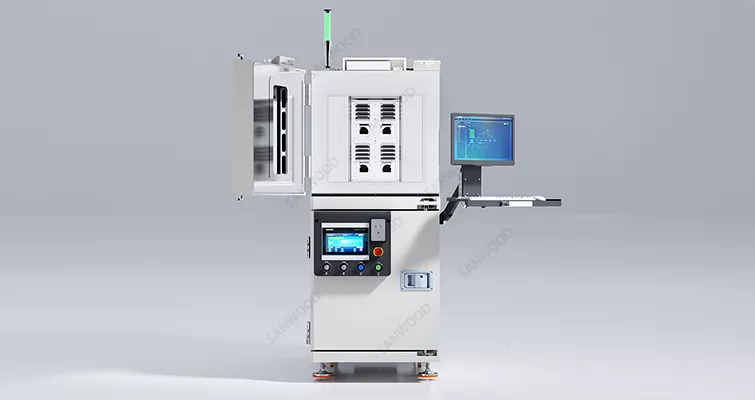
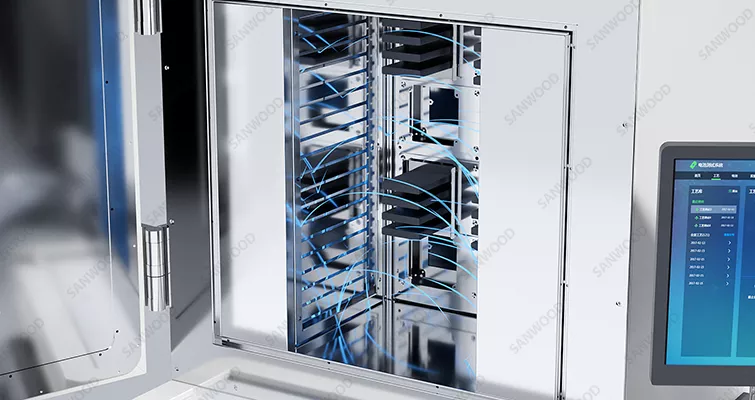
  • High-volume testing: Featuring a multi-tier tray design, the chamber can test hundreds of SSDs at once. It supports independent power supply and data monitoring, enhancing production line efficiency.
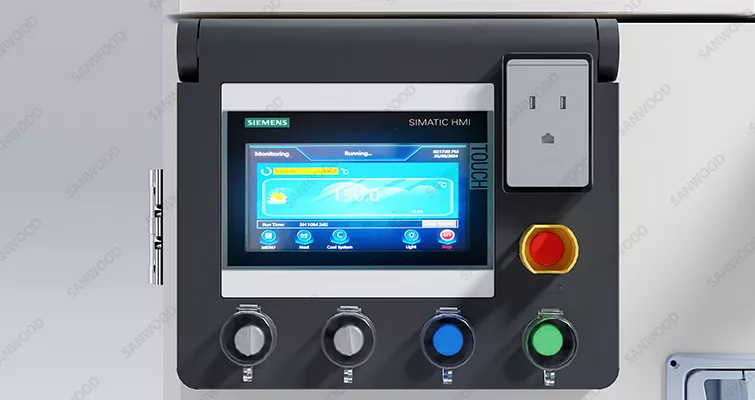
  • User-Friendly Operation: Touchscreen programming automatically records read/write speeds and error logs, supporting 24-hour unattended operation.
  • Safety and Data Protection: Built-in UPS for power failure protection, with over-temperature, over-pressure, and smoke alarms, and support for remote notifications.

  • High-Load Long-Term Operation: Supports real-world power consumption simulation and continuous, stable operation for over 1,000 hours, meeting MTBF validation requirements.
CSSD/ESSD Temperature Test Chamber

Application Fields of The Test Chamber

Sanwood Technology CSSD/ESSD Temperature Test Chamber are essential equipment for solid-state drive (SSD) reliability testing. These chambers cover the full range of requirements for SSD reliability testing, from consumer-grade to industrial-grade applications. 

  • Consumer Electronics (Laptops/Desktops/Gaming Consoles/External SSDs): CSSD Testing: Simulates daily use, including continuous read/write operations at +70°C, cold boot at -10°C, and temperature cycling between +25°C and +70°C, to verify no drive failure, no lag, and data integrity.
  • Data centers/enterprise-class servers: ESSD testing: Temperature cycling from +40°C to +85°C, combined with 100% random read/write loads, to verify performance consistency (QoS latency) and the lifespan of power-fail protection capacitors, in compliance with the JEDEC JESD47 standard.
  • Entry-level servers/NAS: CSSD testing: Simulates chassis heat accumulation in a +40°C to +55°C environment to test write amplification and SMART health metrics in multi-bay configurations.
CSSD/ESSD Temperature Test Chamber

The Test Standards Of The Test Chamber

CSSD (Consumer-Grade SSD) and ESSD (Industrial/Enterprise-Grade SSD) High- and Low-Temperature Test Chambers: Based on this, CSSD testing primarily follows JEDEC JESD218 (Endurance), JESD22-A104 (Temperature Cycling), JESD22-A119A (Low-Temperature Storage), and the Four-Corner Test; ESSD testing, on the other hand, complies with T/CIE 167-2023 (Enterprise-Grade Reliability) and AEC-Q100-005 (Automotive-Grade Non-Volatile Memory). 

  • JEDEC JESD218: SSD Reliability Requirements and Endurance Test Methods.
  • JEDEC JESD22-A104: Temperature Cycling Test, designed to accelerate the exposure of thermal expansion and contraction defects.
  • JEDEC JESD22-A119A: Low-Temperature Storage Life Test Method.
CSSD/ESSD Temperature Test Chamber

Control System Of The Test Chamber

The control system of the Sanwood test chamber adopts the world's leading software and hardware system to ensure that the test chamber operates under preset conditions, provide accurate and reliable experimental data, and help users achieve precise control and data collection of various experimental conditions.

  • Controller: It adopts the controller imported from South Korea Sanwon and the self-developed control system, which can be equipped with Siemens control system and equipped with RS232, RS485 and Ethernet communication ports.
  • Programmable control: It supports setting experimental programs, such as heating, cooling, constant temperature time, etc., and can execute multiple program settings, and supports advance reservation startup function.
  • Multiple languages optional: English, Korean, Russian and Japanese.
  • Remote monitoring: Using network remote technology to achieve remote control, the test chamber can be monitored at any time, and the current data can be viewed through the user's PC and mobile phone, which improves the convenience of testing.

The specific control system of the test chamber will vary depending on the model. Please read the "Sanwood Environmental Test Chamber Manual" carefully before use and comply with the safety operating procedures.

CSSD/ESSD Temperature Test Chamber

Refrigeration System Of The Test Chamber

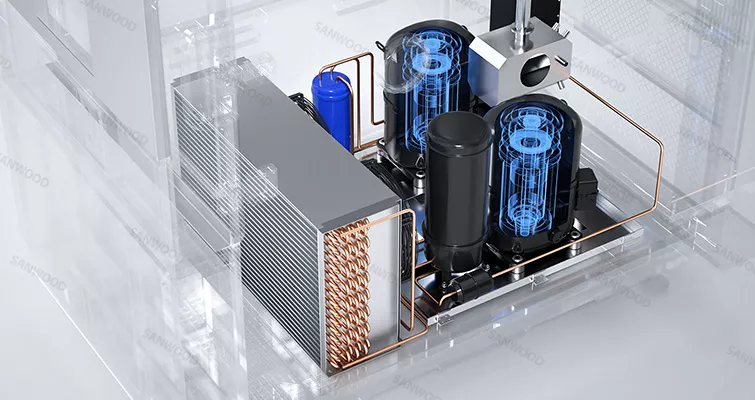
The refrigeration system of the test chamber is a complex and important system. The stability of the refrigeration system is crucial to the accuracy and reliability of the test results.

  • Sanwood Technology has developed a refrigerant hot gas defrosting technology, which effectively melts the frost on the evaporator by injecting high-temperature and high-pressure refrigerant steam into the heat exchanger in the test chamber. This not only ensures that the evaporator does not frost, but also greatly reduces the energy consumption of the equipment.
  • The refrigeration unit adopts an internationally renowned brand.
  • Optimize the layout of the refrigeration system, and adopt VRF (refrigerant flow control) technology based on the PID cold end output principle to achieve low-temperature energy-saving operation, which can reduce energy consumption by 30% under low-temperature conditions.
  • The refrigeration system adopts a modular design, with low failure rate, few welding points, high refrigeration efficiency, good reliability, simple maintenance, and low maintenance cost.


  • Basis Data

  • Performance Data+

Want to know more? Talk to an expert! Leave a message and a specialist will get back to you.

Information on how we processyour personal data.